
 日本語
日本語 eci
eci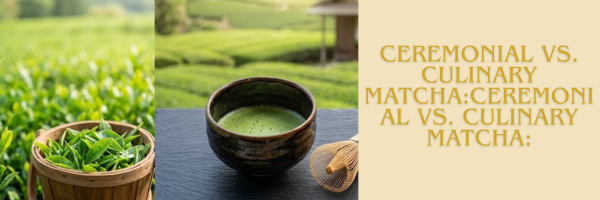
With the global demand for matcha continuing to surge, matcha-based beverages and pastries have evolved from niche trends into core menu staples. However, food and beverage professionals often encounter common challenges during menu development and sourcing:
- “We use high-grade ceremonial matcha for our iced lattes, but the flavor gets completely overpowered by dairy or plant milk.”
- “Our matcha baked goods turn dull brown instead of maintaining that vibrant emerald green after baking.”
- “How do we deliver an authentic, premium matcha profile while keeping our target food cost percentage in check?”
A higher price tag does not automatically guarantee better results in every application. The key to consistency and profitability lies in understanding the distinct differences between Ceremonial Grade and Culinary Grade matcha.
Quick Comparison: Ceremonial vs. Culinary Matcha
Both grades are produced from shade-grown green tea leaves (Tencha) that are de-veined and finely ground. However, their harvest timing, processing methods, and resulting flavor chemistry are tailored for entirely different uses.
Ceremonial Grade: Pure Flavor & High Umami
Characteristics: High L-Theanine and Delicate Complexity
Ceremonial matcha is made exclusively from the first harvest of the spring season. Extended shade farming boosts L-theanine (the amino acid responsible for savory umami and calming effects) while minimizing catechins (astringency).
- When whisked solely with hot or cold water, it produces a creamy froth, a smooth vegetal aroma (ooika), and an absence of harsh bitterness.
- Ideal Applications:
Traditional Whisked Matcha (Usucha / Koicha): For Japanese tea ceremonies or specialty single-origin tea services. - Cold-Whisked Straight Matcha: High-end signature drinks served without added sugar or milk.
- Top-Tier Signature Lattes: Specialty cafe offerings that highlight pure umami with minimal milk dilution.
Culinary Grade: Engineered for Structure & Flavor Cut-Through
Characteristics: High Catechins for Milk & Heat Resistance
A common misconception in the industry is that “culinary” means “low quality.” In professional F&B applications, culinary matcha is purposefully formulated to withstand fat, sugar, and high temperatures.
Delicate, sweet first-flush notes are quickly masked by milk fats and sweeteners. Culinary matcha utilizes later harvests with higher catechin content, providing the crisp, punchy bitterness required to cut through heavy creams and oat milks.
- Ideal Applications:
Signature Matcha Lattes & Frappes: Retains an unmistakable, bold green tea kick through whole milk, oat milk, or flavored syrups. - Pastries & Baked Goods (Cookies, Financiers, Cakes): Heat-resistant formulations resist oxidation and retain appealing green hues after baking.
- Frozen Desserts & Gelato: Blends smoothly into dairy and fat bases without clumping.
3 Essential Sourcing Guidelines for Product Developers
Factor in Heat Exposure
Chlorophyll naturally degrades when exposed to heat and oxygen. When formulating baked items, look for specialized culinary blends crafted to withstand baking temperatures without turning brownish-gray.
Match Matcha Strength to Your Milk Base
- Plant-Based Milks (Oat, Almond, Soy): These milks carry strong cereal and nutty undertones. Choose a robust, astringent culinary grade that cuts through without getting lost.
- Whole Milk & Cream: A well-balanced mid-to-culinary grade provides an aromatic contrast and a clean finish.
Balance Menu Positioning with COGS
For specialty concept bars, offering a higher-margin “Single-Origin First Flush Matcha Latte” can attract connoisseurs. For high-volume daily drive-through or standard cafe menus, standardizing on a premium culinary grade ensures a consistent flavor profile while protecting gross profit margins.

![TOKUTOKUYA News vol.27 [June, 2020]](https://eci-japan.com/en/wp-content/uploads/sites/5/2020/06/f2422a6e4299609a1b1cf3b3fcaf9282.jpg)
![TOKUTOKUYA News vol.25 [August, 2019]](https://eci-japan.com/en/wp-content/uploads/sites/5/2019/09/8-1.jpg)