
 日本語
日本語 eci
eci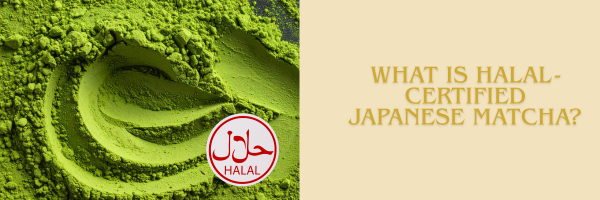
Japanese matcha is becoming increasingly popular worldwide for a wide range of applications, including matcha lattes, desserts, and beverages. In Muslim markets such as Malaysia, Indonesia, and the Middle East, there is also growing interest in Halal-certified Japanese matcha.
Here are some important points international buyers should know when sourcing Halal-certified matcha from Japan.
Is Matcha Naturally Halal?
100% pure matcha is made only from tea leaves.
However, being made only from tea leaves and being officially Halal-certified are not the same thing.
Depending on the certification standards, Halal certification may cover not only ingredients but also manufacturing processes, production equipment, storage, packaging, and measures to prevent cross-contamination.
Therefore, if you plan to sell a product as “Halal-certified Matcha” in a Muslim market, it is important to confirm that the product has the appropriate certification.
Pure Matcha vs. Matcha Products
While 100% pure matcha is a very simple product, processed matcha products may contain various additional ingredients.
Examples include:
- Matcha latte mixes
- Sweetened matcha
- Flavored matcha
- Matcha chocolate
- Matcha confectionery
- Matcha beverages
These products may contain dairy ingredients, flavorings, emulsifiers, sweeteners, and other ingredients.
For processed products, it is therefore important to confirm the Halal compliance of the entire finished product, not only the matcha itself.
The Destination Country Is Important
Another important consideration is that Halal requirements may differ depending on the destination market.
Malaysia, Indonesia, Singapore, and countries in the Middle East, for example, may have different Halal systems and requirements regarding certification.
For this reason, when sourcing Halal-certified matcha, we recommend first identifying the country where the product will be imported and sold.
Halal and Organic Are Different Certifications
Halal and Organic are separate certifications.
Depending on your market and customers, you may require:
- Halal-certified matcha
- Organic-certified matcha
- Organic + Halal-certified matcha
Some international buyers require both Organic and Halal certification, so it is important to clarify your requirements when sourcing Japanese matcha.
Ask ECI About Halal-Certified Japanese Matcha
ECI supplies Japanese matcha for international markets and can also offer Halal-certified matcha options.
In addition to Halal certification, please feel free to discuss requirements such as:
- Organic or conventional
- First harvest or other harvest periods
- Preferred production region
- Intended use
- Required quantity
- Target price
We can explore options ranging from matcha from specific Japanese regions to blended matcha that may offer greater flexibility in securing the required volume.
If you are looking for Halal-certified Japanese matcha, please tell ECI your destination country, required certification, quantity, intended use, and target price.
We will help you find Japanese matcha that meets the needs of your market and business.
Looking for Japanese Matcha?
Tell us your destination country, certification requirements,
quantity, intended use, and target price.
ECI will help you find the right Japanese matcha for your market.

![TOKUTOKUYA News vol.27 [June, 2020]](https://eci-japan.com/en/wp-content/uploads/sites/5/2020/06/f2422a6e4299609a1b1cf3b3fcaf9282.jpg)
![TOKUTOKUYA News vol.25 [August, 2019]](https://eci-japan.com/en/wp-content/uploads/sites/5/2019/09/8-1.jpg)