
 日本語
日本語 eci
eci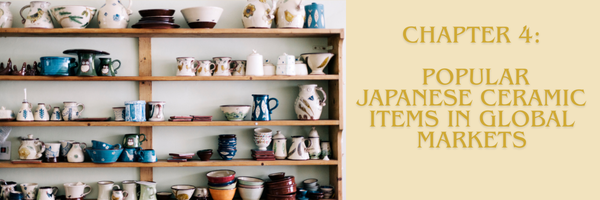
Popular Japanese Ceramic Items in Global Markets — Why Bowls, Plates, Mugs, and Donburi Bowls Sell Well
Japanese ceramics are highly valued in overseas markets not only for their beauty and quality, but also for their practical and easy-to-sell product lineup. For international buyers, standard items with clear uses and strong display potential are especially attractive.
Products such as bowls, plates, mugs, donburi bowls, and small dishes are not limited to Japanese food stores. They also fit well in lifestyle shops, gift stores, cafes, and online retail. In this chapter, we introduce the ceramic items that are especially popular in global markets and explain why they perform well.
- Bowls — The Most Versatile Category
- Plates — A Core Product for Shelf Display
- Mugs — A Strong Category for Gifts and Daily Use
- Donburi Bowls — A Product That Clearly Expresses Japanese Identity
- Small Plates and Small Bowls — Ideal for Sets and Multiple Purchases
- Why These Items Are Easy for Overseas Buyers to Introduce
- Conclusion
Bowls — The Most Versatile Category
- Soup bowls
- Salad bowls
- Cereal bowls
- Dessert bowls
- Donburi-style serving bowls
Because of this flexibility, bowls fit naturally into many different food cultures beyond Japanese cuisine. Deeper bowls in particular are popular because they can be used for pasta, poke bowls, noodles, salads, and more.
Plates — A Core Product for Shelf Display
- Dinner plates
- Side plates
- Dessert plates
- Serving plates
Offering different sizes and shapes within the same series makes it easier to build a cohesive assortment. In overseas markets, plate color, rim design, and overall presentation are key selling points because consumers often prioritize visual appeal.
Mugs — A Strong Category for Gifts and Daily Use
Mugs are easy to sell both individually and as sets. Because they are used every day, consumers value both design and practicality.
In overseas markets, mugs are used not only for coffee and tea, but also for soup, desserts, and other casual dining purposes. They also work well for gift demand, especially as paired mugs or coordinated collections.
Donburi Bowls — A Product That Clearly Expresses Japanese Identity
Donburi bowls are one of the most recognizable items associated with Japanese food culture. They are strongly connected with dishes such as ramen, udon, and rice bowls, which makes them easy to market as distinctly Japanese products.
At the same time, their usefulness goes beyond Japanese cuisine. They are also suitable for pasta, salads, grain bowls, and many other dishes, combining Japanese character with broad usability.
Small Plates and Small Bowls — Ideal for Sets and Multiple Purchases
Small plates and small bowls are affordable items that are often purchased in multiples. They can be used for appetizers, sauces, side dishes, desserts, and many other purposes.
Because they are easy to assort by shape, color, or pattern, they allow retailers to offer variety and encourage customers to mix and match. They are also well suited for gift items and seasonal promotions.
Why These Items Are Easy for Overseas Buyers to Introduce
- Easy for consumers to understand and use
- Suitable for coordinated assortments and shelf displays
- Flexible for both individual sales and set sales
- Able to combine Japanese appeal with practical value
For this reason, they are highly recommended for buyers who are introducing Japanese ceramics for the first time.
Conclusion
When developing Japanese ceramic assortments for overseas markets, it is important to begin with core items that are easy to understand and easy to sell.
Bowls, plates, mugs, donburi bowls, and small dishes offer an excellent balance of practicality, visual appeal, and gift potential.
Building a ceramic lineup around these popular essentials is one of the most effective ways to introduce the charm of Japanese ceramics to a wider global audience.

![TOKUTOKUYA News vol.27 [June, 2020]](https://eci-japan.com/en/wp-content/uploads/sites/5/2020/06/f2422a6e4299609a1b1cf3b3fcaf9282.jpg)
![TOKUTOKUYA News vol.25 [August, 2019]](https://eci-japan.com/en/wp-content/uploads/sites/5/2019/09/8-1.jpg)

![TOKUTOKUYA News Vol.7 [February, 2018]](https://eci-japan.com/en/wp-content/uploads/sites/5/2018/02/f97e49c1fb8fa90b46309c0067f939d6.jpg)