
 日本語
日本語 eci
eci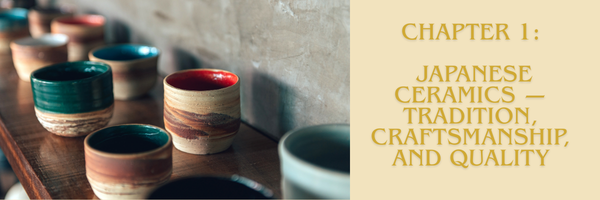
Introduction
Japanese ceramics are far more than everyday tableware—they embody Japan’s long-standing traditions, meticulous craftsmanship, and a sense of functional beauty thoughtfully designed for daily use.
In global tableware markets, Japanese ceramics are highly regarded not just for their aesthetic appeal but also for their usability and durability. This article explains why Japanese ceramics are trusted by overseas buyers and consumers alike, highlighting the background and qualities that make them stand out.
The Legacy of Tradition
The history of Japanese ceramics spans hundreds to thousands of years. Across Japan, different regions developed their own styles, techniques, and aesthetic sensibilities shaped by local materials, climate, and daily life.
These ceramics were originally created as tools for everyday life rather than for decoration alone, which is why contemporary Japanese pottery often balances elegance with functionality. This legacy of tradition has helped Japanese ceramics gain global recognition as objects that enrich daily dining experiences.
The Beauty of Handcrafted Expression
In Japanese ceramics, many processes—from shaping clay to glazing and firing—are still performed by skilled artisans. These hands-on steps often create subtle variations in color, texture, and finish, even among pieces from the same set.
This slight individuality in each piece gives Japanese ceramics a unique charm that cannot be replicated by mass-produced products. This handcrafted quality is highly valued by customers who appreciate authenticity and character in home goods.
Practical Design Meets Everyday Use
Japanese tableware is carefully designed with usability in mind:
- Balanced shapes that feel comfortable in hand
- Sizes suitable for varied meals and plating styles
- Colors and textures that enhance the presentation of food
This thoughtful balance of form and function makes Japanese ceramics suitable for both everyday use and high-end dining occasions. As a result, they fit naturally into a wide range of food cultures worldwide.
Matching Modern Lifestyles
In recent years, demand has grown for tableware that reflects warmth, simplicity, and natural materials—values that align well with modern interior design trends, including minimalist and Scandinavian-inspired aesthetics.
Because of these qualities, Japanese ceramics appeal to today’s consumers who seek products that are both stylish and meaningful additions to daily living.
Value for Overseas Buyers
For international retailers and importers, Japanese ceramics offer several commercial advantages:
- Products with story and heritage, making them easy to explain and market
- Excellent photography appeal for online and social platforms
- Everyday usability encouraging repeat purchases
- Flexible assortments suitable for various retail categories
Conclusion
Japanese ceramics combine centuries of cultural heritage, skilled craftsmanship, and thoughtful design to create tableware that is both beautiful and practical.
This timeless appeal is why Japanese ceramics continue to be chosen around the world—by consumers, retailers, and restaurateurs alike.
In the next article, we will introduce Mino Ware, one of Japan’s most wholesale-friendly origins, known for stable supply and a wide variety of designs.


![TOKUTOKUYA News vol.27 [June, 2020]](https://eci-japan.com/en/wp-content/uploads/sites/5/2020/06/f2422a6e4299609a1b1cf3b3fcaf9282.jpg)
![TOKUTOKUYA News vol.25 [August, 2019]](https://eci-japan.com/en/wp-content/uploads/sites/5/2019/09/8-1.jpg)

![TOKUTOKUYA News Vol.7 [February, 2018]](https://eci-japan.com/en/wp-content/uploads/sites/5/2018/02/f97e49c1fb8fa90b46309c0067f939d6.jpg)